Search This Blog

Thursday, May 30, 2019

Bluebird Baby!


Happening now! Daddy bluebird feeding his fledgling baby mealworms from the feeder. Sooo cute! Soon the fledgling will learn to use the mealworm feeder itself. In this cold, rainy weather when the insects the parents also feed the young are less active, the mealworms are a welcome help to the busy parents. Love the bluebirds it is such a special treat to have them breeding right by.

Thursday, May 23, 2019

Scarlet Tanager Neotropical Beauty!

Scarlet Tanager, male

There's a Scarlet Tanager singing in our backyard right now. These beautiful neotropical migrant birds fly each fall across the Gulf of Mexico to winter in South America then return in spring to breed in forests across most of the upper two thirds of North America and southern Canada. Look for them up high in the tree tops and learn their raspy song that sounds a little like a robin with a hoarse voice.

Warbler Excitement Still Going On!

American Redstart, male

Northern Parula, male

Blackpoll Warbler

Nashville Warbler

Warbler excitement still going on here. A few of the warblers that have passed by our deck in the last few days. American Redstart, Northern Parula, Blackpoll Warbler, Nashville Warbler. It takes them a while to get here, but such a treat. For those moving on to their breeding grounds we wish them a successful breeding season.

Saturday, May 11, 2019

Mt. Auburn Cemetery Birding Hotspot!!

Blackburnian Warbler

Blackburnian Warbler


Northern Parula

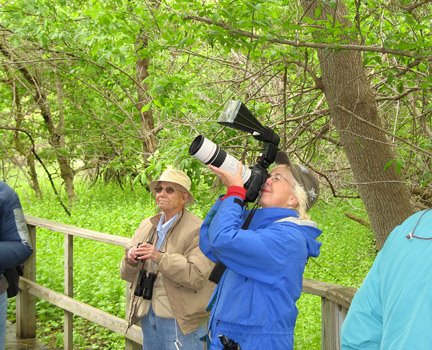
Birders searching in the tall trees.

Veery

Rose-breasted Grosbeak

You can drive and park on the roads and get out to bird.

Mt. Auburn Cemetery in Cambridge, MA is a world famous birding hotspot and the birds showed up today. Lots of warblers and lots of birders were there including us with our friends, Bill Riley (one of the founders of the Everglades Foundation) and his wife Suzie. Blackburnian Warblers were one of the highlights and we saw many other warblers including Northern Parula, Bay-breasted, Black-throated Blue, Black-throated Green, Magnolia, Chestnut-sided and Prairie Warblers. Plus other species like Rose-breasted Grosbeaks, Baltimore Orioles and a nice Veery. However, the birds are way high up in the trees and the trees were partially leafed out obscuring the birds. Thus photography was a challenge with the point and shoot Canon SX 50. It is such a beautiful place with multiple habitats and lots of mature oaks whose flowers attracted the many insects the warblers were actively feeding on. Safe journey birds!

Monday, May 06, 2019

Hummers Arrived!


Pine Siskin
Is anyone else tired of the rain and gloom? Hopefully we will get some light in the next several days. Meanwhile at the feeders, White-throated and White-crowned (right) Sparrows coming through, Ruby-throated hummer just arrived, Pine Siskins still here and goldfinches not wanting to share the feeder.


Thursday, May 02, 2019

Rose-breasted Grosbeaks Have Arrived!

Rose Breasted Grosbeak, male

They're back! Rose-breasted Grosbeak, male singing in our backyard here in New England! One of my favorite birds! I chose this bird for the cover of our The New Stokes Field Guide to Birds, Eastern Region (also available as a western edition). Attract them to your feeders with black oil sunflower offered in a feeder with ample perching room. Btw, I took this photo at the Tawas Point Birding Festival, MI. It was a rainy day, just like today and in the soft light many of the warblers and other birds came down low to feed. 

Wednesday, April 24, 2019

Here They Come! Warblers Are Arriving!

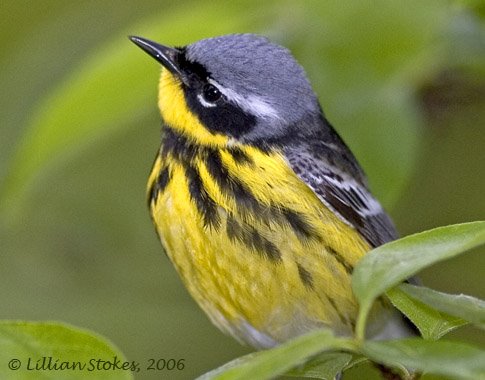
Magnolia Warbler
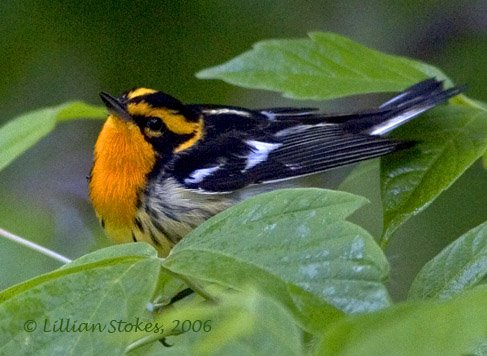
Blackburnian Warbler
Golden-winged Warbler
Cape May Warbler
Black-and-white Warbler
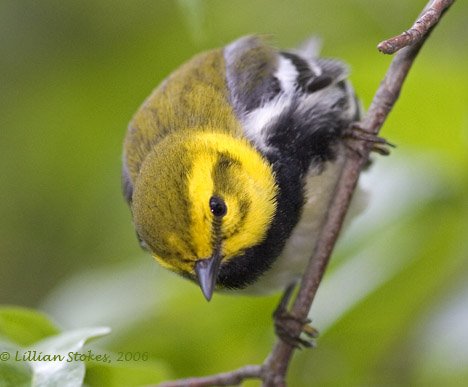
Black-throated Green Warbler
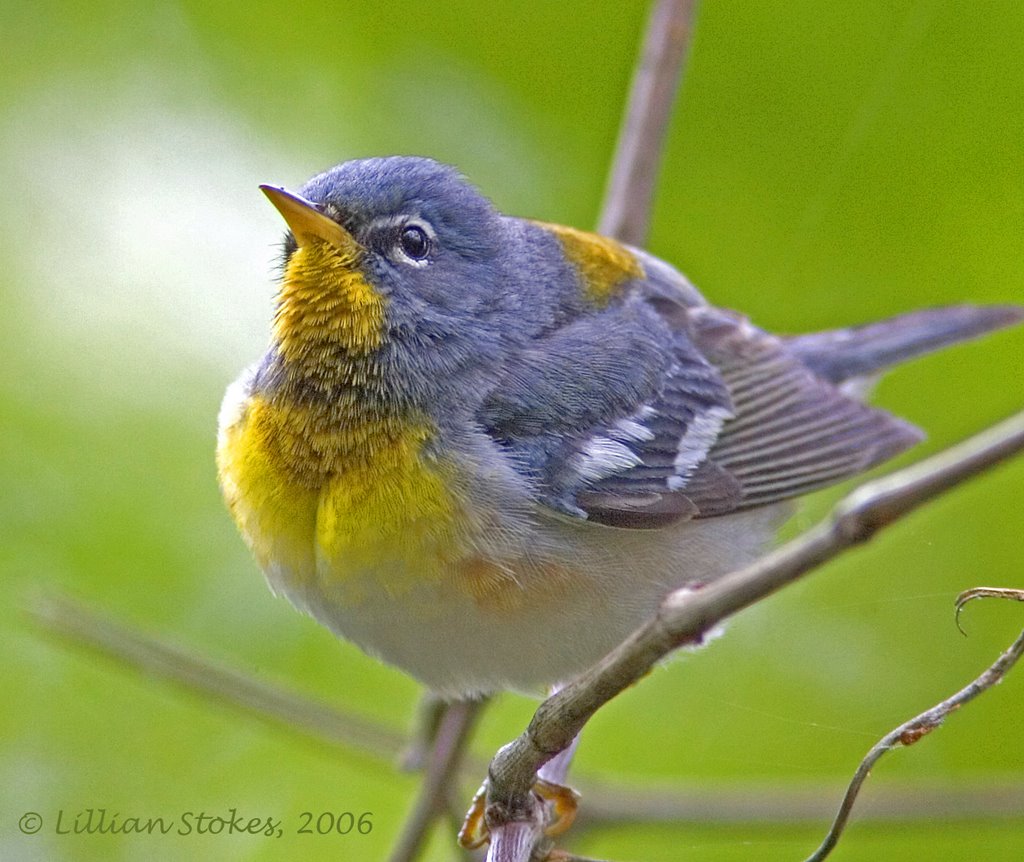
Northern Parula
Bay-breasted Warbler
Nashville Warbler
Chestnut-sided Warbler
Black-throated Blue Warbler

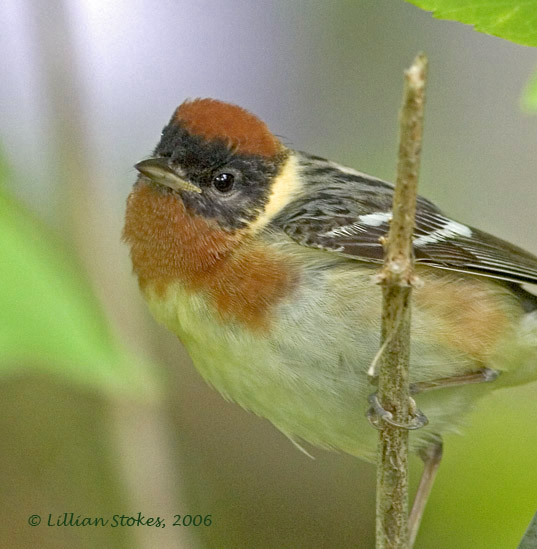
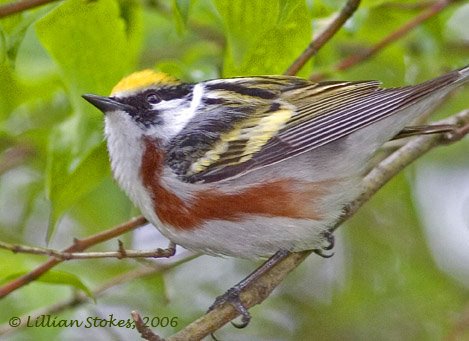
Warblers are the crown jewels of the avian world. They are some of the most exquisitely colored of all the birds, especially when they are in their spring breeding plumages. There are many places to go see warblers, check with your local nature center for spots near you. One place to see lots of warblers is during The Biggest Week in American Birding at Magee Marsh Wildlife Area/Crane Creek State Park and Ottawa NWR, where I took these photos. Since it was cold, rainy and windy, many of the warblers were down low in the trees which made for great photo ops. Not so good for the warblers, who were searching for insects, made inactive by the weather.


What I like is the intimate quality of images, showing real birds as they went about their serious business of foraging for food, the fuel to take them to their breeding grounds. Other good places to see warblers are Mt. Auburn Cemetery, Cambridge, MA and Central Park, NY.
Also, don't forget to BUY NOW,
The New Stokes Field Guide To Birds, eastern region 
The New Stokes Field Guide To Birds western region
for easy identification and complete photos of all North American warblers!


All warbler photos © Lillian Stokes, 2006

Monday, April 22, 2019

Earth Day 2019, Protect Our Species!

Honey Bee

Today is Earth Day 2019 and the theme is Protect Our Species
Honey Bees and other species are in decline or face extinction. Here's how you can help save honey bees.

Chipping Sparrow

Chipping Sparrows are back! Such an adorable and overlooked little sparrow that happily lives in your yard and nests in shrubs and dense smaller evergreen trees. Celebrate the nature around you on this Earth Day. Enhance your own property to be bird-friendly. Build it and they will come. Support the organizations and people who are working to protect the earth!


Wednesday, April 17, 2019

Hummingbirds Are Arriving Are You Ready?


Ruby-throated Hummingbirds have been arriving in the South since Feb. but they do not reach northern areas until mid to end of April. Will you be ready? Here's how to attract them.

Hummingbirds are attracted to the color red. That's because the flowers they favor in nature are mainly red tubular flowers. These flowers have their own adaptations to be attractive to hummingbirds, such as they have just the right nectar concentrations and long tubes so bees cannot access the nectar. Thus they give the hummers nectar and in turn the hummingbirds carry pollen on their foreheads from one flower to another, thus pollinating the flowers.

We roll out the red welcome mat by,

- Putting up lots of hummingbird feeders with red 
- Putting up hanging baskets of early red flowers such as hanging fuschia, etc. as most annuals and perennials are not blooming yet. Later we plant those flowers
- Tying red bows to the posts the hummingbird feeders hang from
- Keep feeders filled with fresh hummingbird nectar, change nectar every 2 days in hot weather.

Get the early hummingbirds and you may have some remain and breed. You will also attract lots of migrants that are passing through on their way to their previous breeding grounds. Even though these do not breed near you, they will remember you as a good stopping place on their next migrations.
If you live in the West, you may have had hummingbirds all year and/or lots of hummingbirds that have returned already, lucky you.

Tuesday, April 16, 2019

Cerulean Warblers migrating now!

Cerulean Warbler, male
Cerulean Warbler, female

Beautiful Cerulean Warblers are migrating through the Gulf of Mexico now. This rare warbler is a declining species and its population has dropped 70% since 1966. They prefer large dense forests to nest and the majority of them breed in the Appalachians where loss of their breeding habitat occurs because of mining and land reclamation. They winter in South America in the Andes and face migration challenges of wind farms on the Gulf Coast. Enjoy them when you see them. The photo of the female I took at Magee Marsh at The Biggest Week in American Birding festival in May. It appears in our Stokes Field Guide to the Birds of North America as well as multiple photos of each species of North American warbler and all the other species.


Tuesday, April 09, 2019

Attract Nesting Eastern Bluebirds!


Yard happenings this morning in the dim morning light. Male Eastern Bluebird stands guard, while his mate builds the nest. They like resting on the fencepost before they enter the nest. Attract bluebirds with a good nest box and mealworms. They are such a joy to watch and the soft light brings out to blue of his back. Of the bluebird Henry David Thoreau wrote (March 1859) "Princes and magistrates are often styled serene, but what is their turbid serenity to that ethereal serenity which the bluebird embodies."


Wednesday, April 03, 2019

Two Billion Migrant Birds are coming soon!!


Two billion birds migrate across the Gulf of Mexico. Peak migration is April 19 - May 7, according to a new study. Migrants such as this male Baltimore Oriole, are coming soon! Attract orioles with oranges, grape jelly and mealworms. Read more, https://www.sciencedaily.com/releases/2019/01/190109110058.htm